
No products in the cart.
Return To ShopGas Nashak: The Ayurvedic Approach to Digestive Health
Gas Nashak The Ayurvedic Approach to Digestive Health Digestive health is a cornerstone of overall well-being, and Ayurveda, the ancient Indian system of medicine, offers profound insights and remedies to manage digestive issues. Among the many digestive ailments, gas and bloating are common complaints that can disrupt daily life. In Ayurveda, these conditions are often treated with a holistic approach, incorporating dietary changes, herbal remedies, and lifestyle adjustments. One such approach is the use of “Gas Nashak,” which translates to “gas destroyer” in Sanskrit. This blog explores how Ayurvedic principles can help manage and alleviate gas and bloating, promoting a healthier digestive system.
Understanding Gas and Bloating in Ayurveda
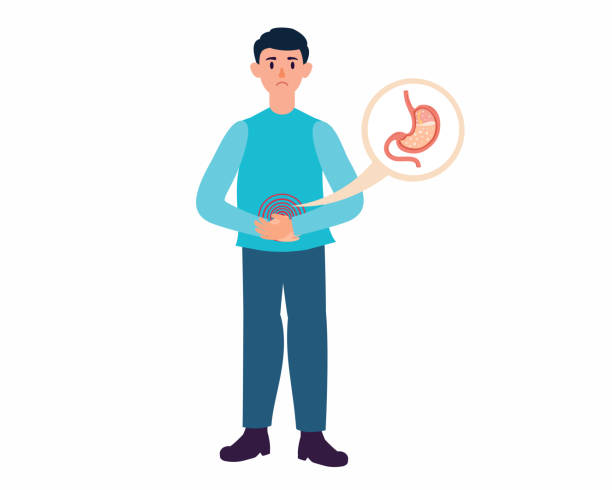
In Ayurveda, gas and bloating are primarily attributed to an imbalance in the body’s digestive fire, or “Agni.” Agni plays a crucial role in digestion, metabolism, and the assimilation of nutrients. When Agni is weak or imbalanced, it can lead to the accumulation of “Vata” dosha (air element), resulting in symptoms such as gas, bloating, and discomfort.
The primary causes of these imbalances include:
- Poor Diet: Consuming excessive amounts of cold, dry, or heavy foods can weaken Agni.
- Inappropriate Food Combinations: Combining foods that are difficult to digest together can lead to gas and bloating.
- Eating Habits: Eating quickly or while stressed can hinder proper digestion.
- Lifestyle Factors: Lack of physical activity and irregular sleep patterns can also disrupt digestive health.
Ayurvedic Remedies for Gas and Bloating
Ayurveda offers several remedies to address gas and bloating, focusing on restoring balance to Agni and Vata dosha. These remedies can be categorized into dietary changes, herbal supplements, and lifestyle practices.
1. Dietary Adjustments
1.1. Favor Warm, Cooked Foods
In Ayurveda, warm and cooked foods are easier to digest compared to cold and raw foods. Soups, stews, and lightly sautéed vegetables can support digestion and reduce gas. Avoiding excessive raw foods, especially in colder months, can prevent aggravation of Vata dosha.
1.2. Mindful Eating
Eating slowly and mindfully allows the digestive system to function optimally. Chewing food thoroughly and avoiding distractions during meals can enhance digestion and reduce the likelihood of gas formation.
1.3. Balancing Food Combinations
Certain food combinations can be challenging for digestion. Ayurveda suggests avoiding combinations such as fruit with dairy, or combining heavy proteins with starchy carbohydrates. Instead, focus on simple, well-balanced meals with a variety of vegetables, grains, and legumes.
2. Herbal Remedies
2.1. Cumin (Jeera)
Cumin is known for its digestive properties. It helps stimulate the production of digestive enzymes and can alleviate gas and bloating. To use cumin, you can either add it to your cooking or make a tea by boiling a teaspoon of cumin seeds in water.
2.2. Fennel (Saunf)
Fennel seeds are another excellent remedy for gas. They have carminative properties that help expel gas from the digestive tract. Chewing a teaspoon of fennel seeds after meals or drinking fennel tea can provide relief.
2.3. Ginger
Ginger is a versatile herb with anti-inflammatory and digestive benefits. It can help reduce gas and bloating by soothing the digestive tract. Fresh ginger tea or ginger added to meals can be beneficial.
2.4. Hing (Asafoetida)
Hing is a potent Ayurvedic herb known for its ability to reduce gas and bloating. It can be added to dishes or taken as a supplement in small amounts to aid digestion.
3. Lifestyle Practices
3.1. Regular Exercise
Physical activity is essential for maintaining a healthy digestive system. Gentle exercises like yoga, walking, or stretching can stimulate digestion and reduce the accumulation of gas.
3.2. Adequate Hydration
Drinking sufficient water throughout the day supports digestion and helps prevent constipation, which can contribute to bloating. Aim to drink warm or room temperature water rather than cold.
3.3. Stress Management
Stress can negatively impact digestion. Practices such as meditation, deep breathing exercises, and yoga can help manage stress levels and improve digestive function.
3.4. Proper Sleep
Quality sleep is crucial for overall health and digestion. Establishing a regular sleep schedule and ensuring adequate rest can support a balanced digestive system.
Incorporating Gas Nashak into Daily Life
To effectively manage gas and bloating using Ayurvedic principles, it is essential to integrate these remedies and practices into your daily routine. Here are some tips for incorporating Gas Nashak into your lifestyle:
4.1. Create a Digestive-friendly Routine
Begin your day with a glass of warm water to kickstart digestion. Incorporate mindful eating practices, and use digestive herbs in your meals. Regularly practice gentle exercises and stay hydrated.
4.2. Experiment with Herbal Teas
Prepare and drink herbal teas such as ginger, fennel, or cumin tea throughout the day. These teas can be a soothing and effective way to support digestion and reduce gas.
4.3. Maintain Consistency
Consistency is key to achieving long-term benefits. Adopting Ayurvedic practices and remedies regularly can help restore balance to your digestive system and prevent recurring issues.
4.4. Listen to Your Body
Pay attention to how your body responds to different foods and practices. Adjust your diet and lifestyle based on your individual needs and sensitivities.
Conclusion
Gas Nashak, or the Ayurvedic approach to managing gas and bloating, emphasizes the importance of balancing Agni and Vata dosha through dietary changes, herbal remedies, and lifestyle practices. By incorporating these principles into your daily routine, you can promote optimal digestive health and alleviate discomfort caused by gas and bloating. Ayurveda’s holistic approach not only addresses symptoms but also supports overall well-being by fostering harmony within the body.

About author

Related posts

Atrial Fibrillation and Ayurveda: A Natural Path to Heart Health is a common heart condition that... Continue reading
Ayurvedic Treatment for Candida Infection: A Comprehensive Guide are a common and often troublesome health issue,... Continue reading
Ayurvedic Approach to Encephalitis: A Holistic Healing Path is a serious medical condition characterized by inflammation... Continue reading

Ayurvedic Approach to Managing Fatty Liver Disease (NAFLD), particularly Non-Alcoholic Fatty Liver Disease (NAFLD), has emerged... Continue reading
Hematuria and Ayurvedic Treatment: A Comprehensive Guide to Understanding and Managing Blood in Urine the presence... Continue reading
Add comment