
No products in the cart.
Return To Shop
Ayurvedic management of chronic diseases like diabetes and hypertension
Ayurvedic management of chronic diseases like diabetes and hypertension Ayurveda the ancient holistic system of medicine originating from India, offers a profound approach to managing chronic diseases such as diabetes and hypertension. Unlike modern medicine, which often treats symptoms reactively, Ayurveda focuses on restoring balance within the body to prevent and manage these conditions effectively. In this comprehensive blog, we will delve into how Ayurveda views diabetes and hypertension, its principles of treatment, and specific therapies and lifestyle recommendations that can aid in their management.
Understanding Diabetes and Hypertension in Ayurveda

When these elements are in balance, the body functions harmoniously, and diseases are less likely to manifest. However, imbalances due to poor diet, unhealthy lifestyle habits, stress, and genetic predispositions can lead to the development of chronic diseases like diabetes and hypertension.
- Diabetes (Madhumeha): According to Ayurveda, diabetes is primarily a disorder of fat metabolism and is categorized under Prameha (urinary disorders).
- Hypertension (Rakta Gata Vata): Ayurveda views hypertension as a disorder primarily related to the imbalance of the Vata dosha, especially in the circulation and nervous system. Factors such as stress, excessive salt intake, obesity, sedentary lifestyle, and genetic predispositions contribute to its development. Symptoms may include headaches, dizziness, palpitations, and vision problems.
Principles of Ayurvedic Treatment
Ayurvedic management of chronic diseases like diabetes and hypertension treatment of chronic diseases like diabetes and hypertension focuses on addressing the root cause of the imbalance rather than merely managing symptoms. The key principles include:
- Understanding the Individual Constitution (Prakriti): Ayurveda emphasizes personalized treatment based on an individual’s unique constitution, which determines their susceptibility to diseases and the most suitable therapeutic approaches.
- Balancing the Doshas: Treatment aims to restore the balance of the doshas through dietary modifications, herbal remedies, lifestyle changes, and therapeutic treatments.
- Detoxification and Cleansing (Panchakarma): In cases where toxins (Ama) have accumulated in the body, Panchakarma therapies such as Vamana (therapeutic vomiting), Virechana (purgation)
- Dietary Guidelines: Ayurveda places significant emphasis on diet as a cornerstone of health. For diabetes and hypertension, dietary recommendations focus on consuming foods that pacify aggravated doshas and support metabolic health. These include fresh fruits and vegetables, whole grains, lean proteins, and healthy fats, while avoiding processed foods, excessive sugars, and refined carbohydrates.
- Herbal Remedies: Ayurvedic herbs are used to support the body’s natural healing processes, reduce inflammation, improve digestion, and enhance overall vitality. Specific herbs such as bitter melon (Karela), fenugreek seeds (Methi), turmeric (Haridra), and Indian gooseberry (Amla) are particularly beneficial for managing diabetes.
- Lifestyle Modifications: Adopting a balanced daily routine (Dinacharya), practicing stress management techniques such as Yoga, meditation, and Pranayama (breathing exercises), and engaging in regular physical activity are essential components of Ayurvedic management for both diabetes and hypertension.
Ayurvedic Management of Diabetes
Ayurvedic management of chronic diseases like diabetes and hypertension managing diabetes involves regulating blood sugar levels naturally, improving pancreatic function, and enhancing insulin sensitivity.
- Herbal Remedies: Bitter melon (Momordica charantia) is known for its anti-diabetic properties and is used to help lower blood glucose levels. Fenugreek seeds (Trigonella foenum-graecum) can also aid in controlling diabetes by improving insulin sensitivity.
- Dietary Recommendations: Ayurveda recommends a diet that emphasizes whole grains (such as barley and oats), bitter vegetables (like bitter gourd and leafy greens), pulses, and moderate amounts of healthy fats. Avoiding sweet, sour, and salty foods is crucial for managing diabetes effectively.
- Lifestyle Adjustments: Engaging in regular physical exercise, such as brisk walking, Yoga, or swimming, helps to improve insulin sensitivity and maintain optimal body weight. Stress management techniques, including meditation and deep breathing exercises, are also beneficial.
For hypertension, Ayurvedic treatment focuses on calming the Vata dosha, improving circulation, and reducing stress.
- Herbal Remedies: Arjuna (Terminalia arjuna) is a well-known herb used in Ayurveda for its cardio-protective properties. It helps to strengthen the heart muscle and regulate blood pressure.
- Dietary Guidelines: A low-sodium diet rich in potassium (found in bananas, leafy greens, and citrus fruits), magnesium (found in nuts, seeds, and whole grains), and calcium Avoiding processed foods, excess salt, caffeine, and alcohol is crucial for managing hypertension.
- Lifestyle Changes: Regular physical activity, such as walking, cycling, or Yoga, helps to improve cardiovascular health and reduce stress levels. Practicing relaxation techniques, including meditation and deep breathing exercises, can also help to lower blood pressure.
Conclusion
Ayurveda provides a holistic approach to managing chronic diseases like diabetes and hypertension by addressing their root causes and promoting overall health and well-being. Its emphasis on personalized treatment, incorporating dietary adjustments, herbal remedies, lifestyle modifications, and stress management techniques, offers a comprehensive framework for disease prevention and management. However, it is essential to consult with qualified Ayurvedic practitioners who can tailor treatments to individual needs and monitor progress effectively.
By integrating Ayurvedic principles with modern medical insights, individuals can potentially achieve better outcomes in managing chronic diseases, leading to improved quality of life and overall health. Embracing Ayurveda not only treats the symptoms but also fosters a deeper understanding of one’s body and its inherent healing capacities, promoting lasting wellness and vitality.


About author

Related posts

Atrial Fibrillation and Ayurveda: A Natural Path to Heart Health is a common heart condition that... Continue reading
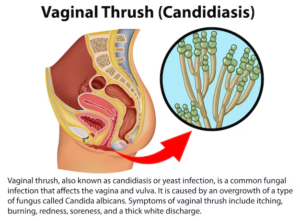
Ayurvedic Treatment for Candida Infection: A Comprehensive Guide are a common and often troublesome health issue,... Continue reading
Ayurvedic Approach to Encephalitis: A Holistic Healing Path is a serious medical condition characterized by inflammation... Continue reading
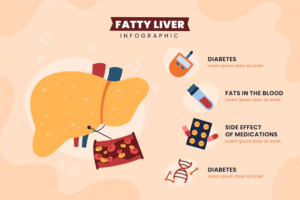
Ayurvedic Approach to Managing Fatty Liver Disease (NAFLD), particularly Non-Alcoholic Fatty Liver Disease (NAFLD), has emerged... Continue reading
Hematuria and Ayurvedic Treatment: A Comprehensive Guide to Understanding and Managing Blood in Urine the presence... Continue reading
Add comment