
No products in the cart.
Return To ShopAyurvedic Home Remedies for Managing High Blood Sugar
Ayurvedic Home Remedies for Managing High Blood Sugar High blood sugar, or hyperglycemia, is a condition where there is an abnormally elevated level of glucose in the blood. This condition is commonly associated with diabetes mellitus and can lead to various health complications if not managed properly. While medical intervention is crucial for managing high blood sugar, Ayurveda, the ancient Indian system of medicine, offers several effective home remedies that can complement conventional treatment. These remedies focus on lifestyle modifications, dietary changes, and the use of natural ingredients known for their therapeutic properties.
Understanding High Blood Sugar
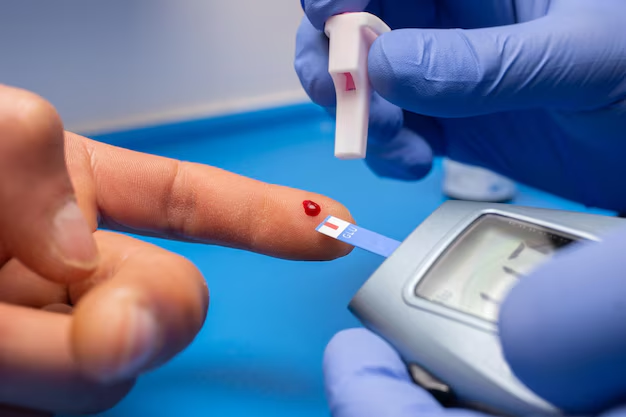
Before delving into Ayurvedic remedies, it’s important to understand the causes and symptoms of high blood sugar. Elevated blood glucose levels occur when the body either doesn’t produce enough insulin (the hormone that regulates blood sugar) or doesn’t use insulin effectively. Common symptoms of high blood sugar include:
- Increased thirst
- Frequent urination
- Fatigue
- Blurred vision
- Slow wound healing
Uncontrolled high blood sugar levels over time can lead to serious complications such as cardiovascular disease, nerve damage, kidney problems, and eye damage.
Ayurvedic Perspective on Diabetes
In Ayurveda, diabetes is referred to as “Madhumeha,” which translates to “honey urine.” It is classified under Prameha, a group of urinary disorders characterized by excessive urination. According to Ayurvedic principles, an imbalance in the three doshas (Vata, Pitta, and Kapha) contributes to the onset and progression of diabetes. Imbalances in Vata and Kapha are particularly implicated in diabetes mellitus.
Ayurvedic treatment aims to balance these doshas through dietary changes, herbal remedies, and lifestyle modifications. The focus is on improving digestion, enhancing insulin sensitivity, and reducing the accumulation of toxins in the body.
Ayurvedic Home Remedies for High Blood Sugar
1. Bitter Gourd (Karela)
Bitter gourd is renowned for its hypoglycemic properties. It contains compounds that mimic insulin and help reduce blood sugar levels. Here’s how you can use bitter gourd:
- Juice: Drink bitter gourd juice on an empty stomach daily. You can add amla (Indian gooseberry) juice or a dash of lemon juice to improve taste.
- Cooked: Include bitter gourd in your regular diet by cooking it with spices and other vegetables.
2. Cinnamon (Dalchini)
Cinnamon is another potent ingredient in managing blood sugar levels due to its ability to improve insulin sensitivity. You can consume cinnamon in the following ways:
- Tea: Prepare cinnamon tea by boiling cinnamon sticks in water. Drink this tea regularly.
- Powder: Sprinkle cinnamon powder over your breakfast cereals, yogurt, or smoothies.
3. Indian Gooseberry (Amla)
Amla is rich in vitamin C and antioxidants, making it beneficial for diabetes management. It helps improve pancreatic function and enhances insulin sensitivity. Ways to consume amla include:
- Fresh: Eat fresh amla fruits or drink amla juice daily.
- Powder: Mix amla powder with water and consume it.
4. Fenugreek (Methi)
Fenugreek seeds are known for their ability to lower blood sugar levels and improve glucose tolerance. Here’s how you can use fenugreek:
- Soaked Seeds: Soak fenugreek seeds overnight and consume them on an empty stomach in the morning.
- Powder: Use fenugreek powder in cooking or mix it with water to consume.
5. Holy Basil (Tulsi)
Holy basil has anti-diabetic properties and helps reduce blood sugar levels. You can consume holy basil in the following ways:
- Chew Leaves: Chew a few basil leaves daily on an empty stomach.
- Tea: Prepare tulsi tea by steeping basil leaves in hot water.
6. Aloe Vera
Aloe vera gel is beneficial for diabetes management due to its hypoglycemic properties. It helps improve insulin sensitivity and lowers blood sugar levels. Here’s how to use aloe vera:
- Fresh Gel: Extract fresh aloe vera gel and consume a tablespoon daily.
- Juice: Mix aloe vera gel with water or other juices and consume.
Lifestyle Tips for Managing High Blood Sugar
In addition to these Ayurvedic remedies, certain lifestyle modifications are crucial for effectively managing high blood sugar:
- Regular Exercise: Engage in moderate physical activity such as walking, yoga, or swimming for at least 30 minutes daily.
- Healthy Diet: Consume a balanced diet rich in fiber, whole grains, vegetables, and fruits. Avoid sugary foods, refined carbohydrates, and saturated fats.
- Stress Management: Practice relaxation techniques such as meditation or deep breathing exercises to reduce stress levels, as stress can elevate blood sugar levels.
- Adequate Sleep: Ensure you get 7-9 hours of quality sleep each night, as lack of sleep can affect blood sugar control.
Precautions and Consultation
While Ayurvedic remedies can be effective, it’s important to consult with a qualified Ayurvedic practitioner or healthcare provider before starting any new treatment regimen, especially if you are already on medication for diabetes or other health conditions. Monitoring blood sugar levels regularly is also essential to track the effectiveness of these remedies and make adjustments as needed.
Conclusion
Ayurvedic home remedies offer a holistic approach to managing high blood sugar levels by addressing the root causes through natural ingredients and lifestyle modifications. By incorporating these remedies into your daily routine, along with proper medical care and dietary discipline, you can better control blood sugar levels and improve your overall health and well-being. Remember, consistency and moderation are key when using Ayurvedic remedies, and always seek professional advice for personalized guidance.


About author

Related posts

Atrial Fibrillation and Ayurveda: A Natural Path to Heart Health is a common heart condition that... Continue reading
Ayurvedic Treatment for Candida Infection: A Comprehensive Guide are a common and often troublesome health issue,... Continue reading

Ayurvedic Approach to Encephalitis: A Holistic Healing Path is a serious medical condition characterized by inflammation... Continue reading
Ayurvedic Approach to Managing Fatty Liver Disease (NAFLD), particularly Non-Alcoholic Fatty Liver Disease (NAFLD), has emerged... Continue reading
Hematuria and Ayurvedic Treatment: A Comprehensive Guide to Understanding and Managing Blood in Urine the presence... Continue reading
Add comment