
No products in the cart.
Return To Shop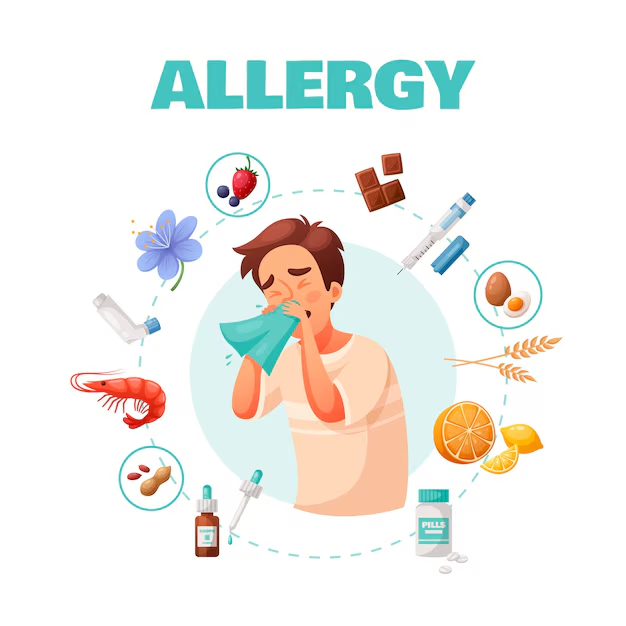
Understanding Allergies in Ayurveda
Understanding Allergies in Ayurveda Allergies are increasingly common in today’s world, affecting millions globally. According to Ayurveda, allergies arise due to imbalances in the body’s doshas (Vata, Pitta, and Kapha) and accumulation of toxins (ama) in the body. These imbalances can lead to hypersensitivity reactions when exposed to allergens.
Common Types of Allergies

Ayurveda categorizes allergies based on the dosha involved:
- Vata-related allergies: Often manifest as dryness, inflammation, and hypersensitivity.
- Pitta-related allergies: Characterized by heat, inflammation, and skin reactions.
- Kapha-related allergies: Typically involve congestion, mucus production, and respiratory symptoms.
Ayurvedic Approach to Managing Allergies
Ayurveda emphasizes a holistic approach to treating allergies, focusing on balancing the doshas, eliminating toxins, strengthening the immune system, and reducing hypersensitivity. Here are some effective Ayurvedic remedies:
1. Dietary Adjustments
- Avoid allergenic foods: Identify and eliminate foods that trigger allergic reactions.
- Eat according to your dosha: Follow a diet that balances your dominant dosha to prevent imbalances.
- Include spices: Turmeric, ginger, and black pepper can reduce inflammation and improve digestion.
2. Herbal Remedies
- Turmeric (Curcuma longa): A powerful anti-inflammatory and immune-modulator.
- Triphala: Cleanses the digestive tract and supports detoxification.
- Tulsi (Holy Basil): Helps in respiratory allergies and strengthens the immune system.
3. Ayurvedic Therapies
- Nasya: Nasal administration of herbal oils to clear nasal passages and reduce congestion.
- Panchakarma: Detoxification therapies like Vamana (therapeutic vomiting) and Virechana (purgation) to remove toxins.
- Abhyanga: Regular oil massage to pacify aggravated doshas and improve circulation.
4. Lifestyle Modifications
- Yoga and Pranayama: Practices like Anulom Vilom (alternate nostril breathing) and Bhramari (humming bee breath) can enhance lung capacity and reduce stress.
- Manage stress: Stress can exacerbate allergies; practices like meditation and adequate sleep are crucial.
5. Home Remedies
- Neti Pot: Using a saline solution to rinse nasal passages and reduce allergens.
- Herbal teas: Ginger tea, licorice tea, and chamomile tea can soothe allergies.
6. Ayurvedic Formulations
- Sitopaladi Churna: Helps in respiratory allergies and cough.
- Shirish (Albizia lebbeck) Churna: Useful for skin allergies and inflammation.
Ayurvedic Allergy Prevention Tips
- Maintain a regular routine: Eating and sleeping at consistent times can prevent dosha imbalances.
- Seasonal cleansing: Detoxify at the change of seasons to prevent accumulation of toxins.
- Stay hydrated: Proper hydration supports detoxification and prevents dryness.
When to Consult a Practitioner
While Ayurvedic remedies can be effective, severe allergies may require professional consultation, especially if symptoms persist or worsen. A qualified Ayurvedic practitioner can provide personalized guidance and treatment.
Conclusion
Ayurveda offers a holistic approach to managing allergies by addressing root imbalances in the body and strengthening the immune system. By incorporating dietary adjustments, herbal remedies, therapeutic practices, and lifestyle modifications, individuals can effectively alleviate allergy symptoms and enhance overall well-being. However, it’s essential to approach Ayurvedic treatments under the guidance of a knowledgeable practitioner for optimal results and safety.
Incorporating these Ayurvedic principles into daily life can not only alleviate allergies but also promote long-term health and vitality.


About author

Related posts

Atrial Fibrillation and Ayurveda: A Natural Path to Heart Health is a common heart condition that... Continue reading
Ayurvedic Treatment for Candida Infection: A Comprehensive Guide are a common and often troublesome health issue,... Continue reading
Ayurvedic Approach to Encephalitis: A Holistic Healing Path is a serious medical condition characterized by inflammation... Continue reading
Ayurvedic Approach to Managing Fatty Liver Disease (NAFLD), particularly Non-Alcoholic Fatty Liver Disease (NAFLD), has emerged... Continue reading

Hematuria and Ayurvedic Treatment: A Comprehensive Guide to Understanding and Managing Blood in Urine the presence... Continue reading
Add comment