
No products in the cart.
Return To ShopShatavari for Immunity: Harnessing Nature’s Power
Shatavari for Immunity: Harnessing Nature’s Power In our quest for robust health and resilient immunity, nature often provides profound solutions that have stood the test of time. One such marvel from traditional Ayurvedic medicine is Shatavari (Asparagus racemosus), renowned for its multifaceted health benefits, particularly its role in enhancing immunity. This blog explores the fascinating properties of Shatavari, its historical use, scientific validation, and practical applications in boosting our body’s defense mechanisms.
Understanding Shatavari
Historical Roots and Traditional Use
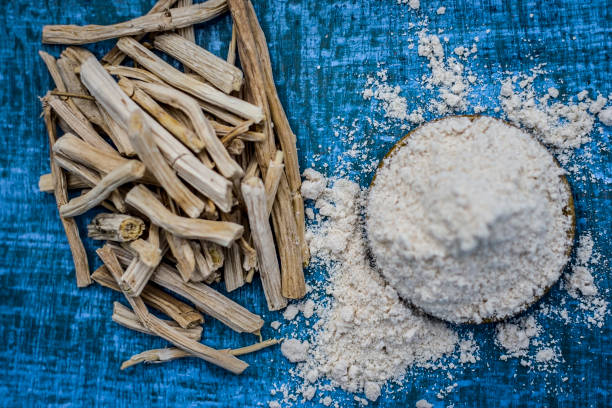
Shatavari, known as the “Queen of Herbs” in Ayurveda, holds a prominent place in traditional Indian medicine. Its Sanskrit name translates to “she who possesses a hundred husbands,” indicative of its traditional use in promoting female reproductive health. However, its benefits extend far beyond reproductive wellness; it has been revered for centuries for its ability to nourish and strengthen the body.
Botanical Profile and Active Components
Shatavari belongs to the Asparagus genus and is characterized by its delicate, climbing stems and needle-like leaves.
Shatavari’s Impact on Immunity
Immune Modulation: Balancing the Body’s Defenses
A robust immune system is vital for protecting against pathogens and maintaining overall health. Shatavari has been shown to exhibit immunomodulatory effects, helping to regulate immune responses. Studies suggest that its bioactive compounds can enhance the activity of immune cells, such as macrophages and lymphocytes, thereby bolstering the body’s defense mechanisms.
Anti-inflammatory Properties: Calming the Immune Response
Chronic inflammation can compromise immune function and contribute to various health issues. Shatavari contains anti-inflammatory compounds that help mitigate excessive inflammation, promoting a balanced immune response. By reducing inflammation, it supports the body’s ability to combat infections and maintain optimal health.
Scientific Evidence Supporting Shatavari’s Benefits
Clinical Studies and Research Findings
Modern scientific research has increasingly validated the traditional uses of Shatavari. Studies have highlighted its antioxidant properties, which protect cells from oxidative stress, and its role in enhancing immune function. Clinical trials have demonstrated improvements in markers of immune health with Shatavari supplementation, affirming its efficacy in supporting overall immunity.
Practical Applications and Incorporation into Daily Life
Choosing Quality Supplements
When incorporating Shatavari into your wellness regimen, opt for reputable brands that offer standardized extracts to ensure potency and purity. Supplements are available in various forms, including capsules, powders, and liquid extracts, making it convenient to integrate into daily routines.
Herbal Preparations and Culinary Uses
Beyond supplements, Shatavari can be consumed in its natural form. Its dried roots can be boiled to make a tea or added to soups and stews for a nutritional boost. Incorporating Shatavari into culinary creations not only enhances flavor but also delivers its immune-supportive benefits in a delicious way.
Conclusion: Embracing Nature’s Wisdom
Shatavari for Immunity: Harnessing Nature’s Power exemplifies the profound synergy between traditional wisdom and modern science. Its ability to fortify immunity through immunomodulation and anti-inflammatory action underscores its relevance in today’s wellness landscape. Whether you seek to enhance your immune resilience, alleviate inflammation, or simply nurture overall well-being, Shatavari offers a natural, time-honored solution.
Shatavari stands as a testament to the enduring efficacy of natural medicine in promoting vitality and resilience.
In essence, Shatavari is not merely an herb but a symbol of holistic health—a reminder to embrace nature’s gifts as we strive for wellness in mind, body, and spirit.
About author

Related posts

Atrial Fibrillation and Ayurveda: A Natural Path to Heart Health is a common heart condition that... Continue reading

Ayurvedic Treatment for Candida Infection: A Comprehensive Guide are a common and often troublesome health issue,... Continue reading

Ayurvedic Approach to Encephalitis: A Holistic Healing Path is a serious medical condition characterized by inflammation... Continue reading
Ayurvedic Approach to Managing Fatty Liver Disease (NAFLD), particularly Non-Alcoholic Fatty Liver Disease (NAFLD), has emerged... Continue reading

Hematuria and Ayurvedic Treatment: A Comprehensive Guide to Understanding and Managing Blood in Urine the presence... Continue reading
Add comment