
No products in the cart.
Return To Shop
Ayurvedic Plants and Their Role in Diabetes Management
Ayurvedic Plants and Their Role in Diabetes Management In the realm of alternative medicine, Ayurveda stands out as a holistic approach that emphasizes natural remedies and lifestyle adjustments to achieve balance and health. With the prevalence of chronic diseases like diabetes on the rise globally, many individuals are turning to Ayurvedic herbs and plants for their potential benefits in managing blood sugar levels and supporting overall well-being.
Understanding Diabetes in Ayurveda
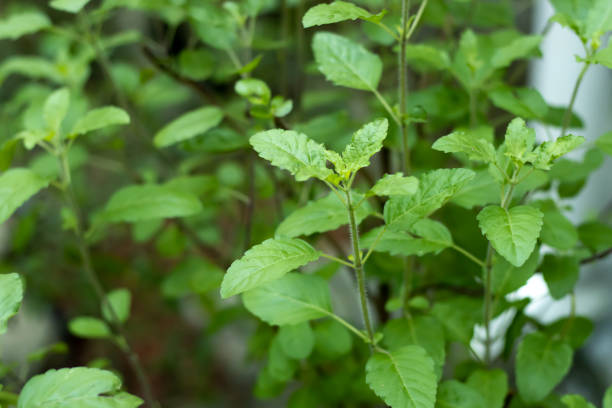
Ayurveda views diabetes (Madhumeha) as a disorder caused by an imbalance in the bodily doshas, particularly the aggravated state of Kapha and Pitta doshas. This imbalance leads to impaired digestion and metabolism, resulting in elevated blood sugar levels. According to Ayurvedic principles, managing diabetes involves restoring balance to these doshas through dietary modifications, lifestyle changes, and the use of specific herbs and plants.
Ayurvedic Herbs for Diabetes Management
1. Gymnema (Gymnema sylvestre)
Gymnema, known as Gurmar in Hindi, is one of the most well-known herbs for managing diabetes in Ayurveda. Its Hindi name translates to “sugar destroyer,” indicating its traditional use in reducing sugar cravings and lowering blood sugar levels. Gymnema is believed to support insulin production and enhance the uptake of glucose by cells, thereby improving glycemic control.
2. Bitter Melon (Momordica charantia)
Bitter melon, also called Karela, is another staple in Ayurvedic diabetes management. It contains compounds that mimic insulin and help in lowering blood sugar levels. Bitter melon is often consumed as a vegetable or as a juice to reap its benefits for diabetes control.
3. Turmeric (Curcuma longa)
Turmeric, known for its potent anti-inflammatory properties due to its active compound curcumin, also shows promise in managing diabetes. Curcumin has been studied for its role in improving insulin sensitivity and reducing insulin resistance, both of which are crucial in diabetes management.
4. Indian Gooseberry (Amla, Emblica officinalis)
Amla is revered in Ayurveda for its rejuvenating properties and its ability to balance all three doshas. It is also beneficial in managing diabetes due to its high vitamin C content and antioxidant properties, which help in protecting pancreatic beta cells and improving insulin secretion.
5. Fenugreek (Trigonella foenum-graecum)
Fenugreek seeds are commonly used in Indian cuisine and traditional medicine for their potential to lower blood sugar levels. They contain soluble fiber and compounds like trigonelline that have been studied for their hypoglycemic effects.
6. Neem (Azadirachta indica)
Neem leaves and extracts are known for their anti-diabetic properties in Ayurveda. They help in improving insulin receptor sensitivity and regulating blood glucose levels. Neem is also valued for its overall health benefits, including its role in boosting immunity.
Incorporating Ayurvedic Practices into Daily Life
Apart from herbal remedies, Ayurveda emphasizes the importance of lifestyle modifications and dietary changes in managing diabetes effectively:
- Dietary Recommendations: Ayurveda recommends a diet that balances all six tastes (sweet, sour, salty, bitter, pungent, and astringent) to maintain overall health and support digestive function. Foods rich in fiber, whole grains, and lean proteins are preferred.
- Yoga and Exercise: Regular physical activity is essential for managing diabetes. Practices like yoga and pranayama (breathing exercises) can help reduce stress, improve insulin sensitivity, and promote overall well-being.
- Stress Management: Stress can significantly impact blood sugar levels. Ayurveda suggests techniques such as meditation, mindfulness, and herbal supplements like Ashwagandha (Withania somnifera) to manage stress effectively.
Ayurvedic Approach vs. Modern Medicine
While Ayurvedic herbs and practices offer promising avenues for diabetes management, it’s essential to approach their use with caution and under the guidance of qualified practitioners. Integrating Ayurvedic principles with modern medical treatments can provide a comprehensive approach to managing diabetes, ensuring both safety and efficacy.
Conclusion
Ayurvedic herbs and plants play a significant role in the management of diabetes by addressing underlying imbalances and promoting overall health. With their natural origins and centuries-old wisdom, these remedies offer a holistic approach that complements modern medical treatments. However, individual responses to these herbs may vary, and consultation with healthcare providers is crucial for personalized care.
By embracing the principles of Ayurveda alongside conventional treatments, individuals can empower themselves to effectively manage diabetes and enhance their quality of life through natural means. As research continues to explore the efficacy of Ayurvedic herbs, their integration into mainstream diabetes management holds promising potential for the future of holistic healthcare.

About author

Related posts

Atrial Fibrillation and Ayurveda: A Natural Path to Heart Health is a common heart condition that... Continue reading

Ayurvedic Treatment for Candida Infection: A Comprehensive Guide are a common and often troublesome health issue,... Continue reading

Ayurvedic Approach to Encephalitis: A Holistic Healing Path is a serious medical condition characterized by inflammation... Continue reading

Ayurvedic Approach to Managing Fatty Liver Disease (NAFLD), particularly Non-Alcoholic Fatty Liver Disease (NAFLD), has emerged... Continue reading

Hematuria and Ayurvedic Treatment: A Comprehensive Guide to Understanding and Managing Blood in Urine the presence... Continue reading
Add comment