
No products in the cart.
Return To ShopNatural Remedies for Diabetes: Ayurvedic Insights for Rural Living
Natural Remedies for Diabetes: Ayurvedic Insights for Rural Living Diabetes, a chronic metabolic disorder affecting millions worldwide, is characterized by high blood sugar levels over a prolonged period. While modern medicine provides essential treatments, Ayurveda, the ancient Indian system of medicine, offers valuable insights and natural remedies that complement conventional therapies. In rural settings where access to healthcare may be limited, understanding these Ayurvedic principles can empower individuals to manage diabetes effectively. This blog explores Ayurvedic perspectives on diabetes management, emphasizing holistic approaches and natural remedies suitable for rural living.
Understanding Diabetes in Ayurveda
In Ayurveda, diabetes is classified as “Prameha”, a condition where excessive sweet urine is passed, indicating elevated blood sugar levels. Ayurvedic texts, such as Charaka Samhita and Sushruta Samhita, describe several types of Prameha, correlating closely with modern classifications like Type 1 and Type 2 diabetes.
Key Factors According to Ayurveda:
- Dosha Imbalance: Ayurveda identifies diabetes as a result of aggravated Kapha and Pitta doshas, leading to impaired digestion and metabolism.
- Impaired Agni (Digestive Fire): Poor digestion and weakened Agni contribute to the accumulation of toxins (ama) and imbalance in blood sugar levels.
- Lifestyle and Diet: Sedentary lifestyle, excessive intake of sweet, fatty, and processed foods, and emotional stress are factors contributing to diabetes according to Ayurveda.
Ayurvedic Principles for Diabetes Management
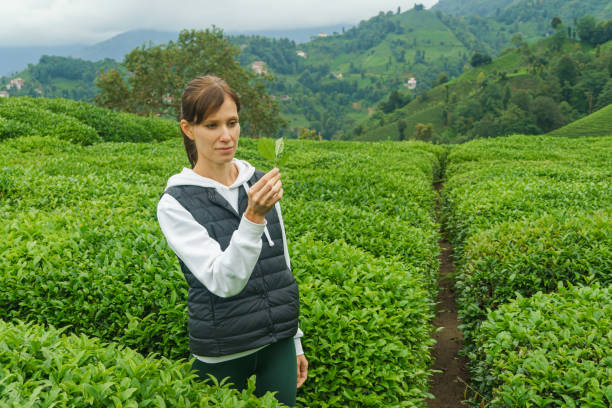
1. Dietary Guidelines
Ayurveda emphasizes a personalized approach to diet, focusing on foods that balance Kapha and Pitta doshas and improve digestive fire (Agni). For managing diabetes:
- Avoid: Excessive sweets, refined sugars, fried foods, and heavy, oily meals.
- Include: Bitter and astringent tastes like bitter gourd, fenugreek, and leafy greens. Whole grains like barley and millet are preferred over refined grains.
- Herbal Support: Turmeric, cinnamon, and Indian gooseberry (Amla) are renowned for their blood sugar-regulating properties.
2. Lifestyle Modifications
- Exercise: Daily physical activity, such as walking or yoga, helps improve insulin sensitivity and overall metabolism.
- Stress Management: Techniques like meditation and pranayama (breathing exercises) reduce stress, which can exacerbate diabetes.
- Sleep: Maintaining a regular sleep schedule promotes hormonal balance and aids in managing blood sugar levels.
3. Herbal Remedies
Ayurveda offers various herbs and formulations known to support diabetes management:
- Bitter Melon (Karela): Contains charantin, which helps lower blood glucose levels.
- Fenugreek (Methi): Rich in soluble fiber and alkaloids that regulate blood sugar.
- Indian Gooseberry (Amla): High in Vitamin C and antioxidants, beneficial for overall health and diabetes management.
- Guduchi: Known for its immunomodulatory and anti-diabetic properties.
Practical Tips for Rural Living
In rural areas, where access to healthcare facilities may be limited, integrating Ayurvedic principles into daily life can be particularly beneficial:
- Community Awareness: Educating communities about diabetes prevention and management through local health initiatives.
- Herbal Gardens: Encouraging the cultivation of medicinal herbs like bitter melon and fenugreek locally.
- Traditional Practices: Promoting traditional cooking methods that preserve nutrients and enhance digestibility.
Integrating Ayurveda with Modern Medicine
While Ayurvedic remedies offer promising avenues for diabetes management, it’s crucial to integrate them with modern medical advice:
- Regular Monitoring: Routine blood sugar checks and consultations with healthcare providers are essential.
- Medication Compliance: Ayurvedic remedies can complement but not replace prescribed medications.
- Consultation: Seek guidance from qualified Ayurvedic practitioners who can tailor treatments to individual needs.
Conclusion
In conclusion, Ayurveda provides a holistic approach to managing diabetes, emphasizing dietary adjustments, lifestyle modifications, and herbal remedies that are accessible even in rural settings. By combining traditional wisdom with modern healthcare practices, individuals can achieve better control over their diabetes and improve their overall quality of life.Empowering rural communities with this knowledge fosters self-sufficiency in healthcare and promotes.


About author

Related posts

Atrial Fibrillation and Ayurveda: A Natural Path to Heart Health is a common heart condition that... Continue reading
Ayurvedic Treatment for Candida Infection: A Comprehensive Guide are a common and often troublesome health issue,... Continue reading
Ayurvedic Approach to Encephalitis: A Holistic Healing Path is a serious medical condition characterized by inflammation... Continue reading
Ayurvedic Approach to Managing Fatty Liver Disease (NAFLD), particularly Non-Alcoholic Fatty Liver Disease (NAFLD), has emerged... Continue reading
Hematuria and Ayurvedic Treatment: A Comprehensive Guide to Understanding and Managing Blood in Urine the presence... Continue reading
Add comment