
No products in the cart.
Return To ShopAyurveda for Children: Nurturing Health and Well-being
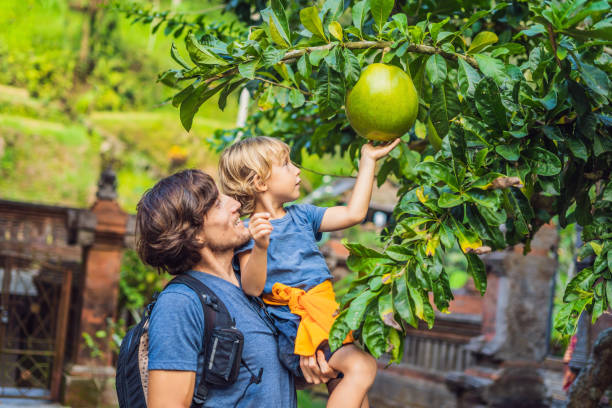
Ayurveda for Children: Nurturing Health and Well-being In today’s fast-paced world, where modern medicine dominates the healthcare landscape, Ayurveda offers a time-tested alternative that focuses on holistic well-being and natural healing. Originating from ancient India, Ayurveda has gained global recognition for its comprehensive approach to health, encompassing not only physical but also mental, emotional, and spiritual aspects of wellness. When it comes to children, Ayurveda provides gentle yet effective methods to promote health, prevent illness, and support overall growth and development.
Understanding Ayurveda
Ayurveda, often referred to as the “science of life,” is rooted in the belief that balance is the key to health. According to Ayurvedic principles, every individual is unique, with a distinct mind-body constitution known as doshas: Vata, Pitta, and Kapha. These doshas influence our physical characteristics, personality traits, and susceptibility to diseases. By understanding a child’s predominant dosha, Ayurveda tailors recommendations for diet, lifestyle, and healthcare practices to maintain equilibrium and prevent imbalances that lead to illness.
Diet and Nutrition
Ayurveda for Children: Nurturing Health and Well-being emphasizes the importance of proper nutrition from an early age to support physical growth, cognitive development, and overall vitality. Rather than focusing on specific nutrients alone, Ayurvedic dietary guidelines consider the qualities of foods and their effects on the doshas. For instance, Vata children benefit from warm, nourishing foods that are grounding and calming, while Pitta children thrive on cooling and hydrating foods that balance their fiery nature. Kapha children benefit from light, stimulating foods that prevent sluggishness and promote energy.
Lifestyle Practices
In addition to diet, Ayurveda advocates for daily routines (dinacharya) and seasonal routines (ritucharya) that align with natural rhythms and support optimal health. For children, establishing regular sleep patterns, engaging in age-appropriate physical activities, and practicing mindfulness through activities like yoga and meditation are integral parts of Ayurvedic lifestyle recommendations. These practices not only strengthen the body but also enhance mental clarity and emotional stability.
Herbal Remedies and Therapies
Ayurveda harnesses the healing power of herbs and natural therapies to address common childhood ailments such as coughs, colds, digestive issues, and skin problems. Herbal remedies are chosen based on a child’s constitution and the specific imbalance causing the illness. For example, ginger and honey teas are beneficial for Vata imbalances, while cooling herbs like coriander and fennel help alleviate Pitta-related symptoms. Kapha-related issues often respond well to warming spices such as cinnamon and cloves.
Preventive Care
Preventive healthcare is a cornerstone of Ayurvedic philosophy, aiming to maintain health rather than just treat disease. Practices like oil massage (abhyanga), nasal cleansing (neti), and gentle detoxification techniques (panchakarma) are recommended to strengthen the immune system, improve digestion, and eliminate toxins that can accumulate in the body. These practices help children develop resilience against illnesses and promote long-term health and vitality.
Emotional Well-being
Ayurveda recognizes the interconnectedness of the mind and body, highlighting the importance of emotional well-being in overall health. Techniques such as positive affirmations, nurturing relationships, and creating a supportive environment play crucial roles in promoting emotional balance in children. Ayurveda also emphasizes the significance of mental exercises and creative activities that stimulate cognitive development and foster a sense of inner harmony.
Integrating Ayurveda with Modern Medicine
While Ayurveda offers valuable insights and holistic approaches to health, it is essential to integrate its practices with modern medical care when necessary. Ayurvedic practitioners often collaborate with pediatricians and healthcare providers to ensure comprehensive and personalized care for children. This integrative approach combines the strengths of both systems, providing families with a well-rounded approach to managing children’s health.
Conclusion
Ayurveda provides a holistic framework for nurturing children’s health and well-being through personalized dietary recommendations, lifestyle practices, herbal therapies, preventive care, and emotional support. By honoring each child’s unique constitution and promoting balance in mind, body, and spirit, Ayurveda empowers families to cultivate health from an early age and lay the foundation for a lifetime of wellness.
In a world where the demands on children’s health are ever-increasing, Ayurveda offers a refreshing perspective rooted in centuries of wisdom and a profound understanding of natural principles. By embracing Ayurvedic principles and practices, parents can support their children in thriving physically, emotionally, and mentally, ensuring they grow into healthy and resilient adults.
Remember, Ayurveda is not just a system of medicine but a way of life—one that fosters harmony within oneself and with the world around us. As we continue to explore and integrate ancient wisdom with modern knowledge, Ayurveda remains a beacon of hope and healing for children and families worldwide.


About author

Related posts

Atrial Fibrillation and Ayurveda: A Natural Path to Heart Health is a common heart condition that... Continue reading
Ayurvedic Treatment for Candida Infection: A Comprehensive Guide are a common and often troublesome health issue,... Continue reading
Ayurvedic Approach to Encephalitis: A Holistic Healing Path is a serious medical condition characterized by inflammation... Continue reading

Ayurvedic Approach to Managing Fatty Liver Disease (NAFLD), particularly Non-Alcoholic Fatty Liver Disease (NAFLD), has emerged... Continue reading
Hematuria and Ayurvedic Treatment: A Comprehensive Guide to Understanding and Managing Blood in Urine the presence... Continue reading
Add comment