
No products in the cart.
Return To Shop
Managing Diabetes Complications with Ayurveda
Managing Diabetes Complications with Ayurveda Diabetes mellitus, a chronic metabolic disorder characterized by elevated blood sugar levels, affects millions worldwide. While conventional medicine offers effective management through medication and lifestyle changes, Ayurveda, the ancient Indian system of medicine, provides a holistic approach to managing diabetes and its complications. This blog explores how Ayurveda views diabetes, its principles of treatment, and specific therapies for managing complications effectively.
Understanding Diabetes in Ayurveda
Ayurveda considers diabetes as “Prameha”, a condition caused by an imbalance in the bodily doshas (Vata, Pitta, Kapha) and improper diet and lifestyle. According to Ayurvedic texts like Charaka Samhita and Sushruta Samhita, diabetes manifests due to the vitiation of “Meda Dhatu” (fat tissue) and impaired “Agni” (digestive fire). This perspective emphasizes the importance of balancing doshas and improving digestive function to manage diabetes.
Principles of Ayurvedic Management
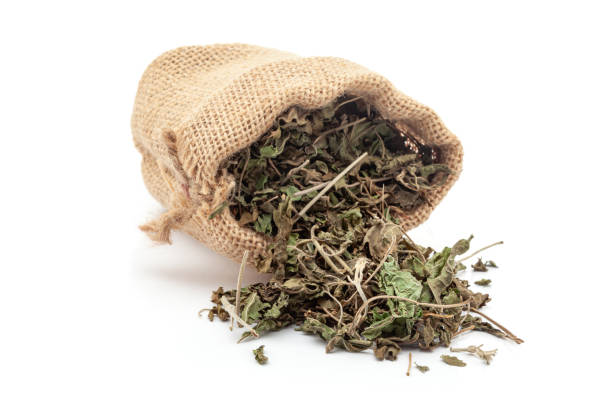
- Dosha Balancing: Ayurvedic treatment focuses on balancing Vata, Pitta, and Kapha through diet, lifestyle modifications, and herbs. Imbalances in these doshas contribute to diabetes complications.
- Improving Digestive Fire: “Agni” is crucial for digesting food and maintaining metabolism. Ayurvedic herbs and therapies aim to enhance Agni to improve digestion and regulate blood sugar levels.
- Detoxification: “Panchakarma” therapies such as “Vamana” (therapeutic vomiting) and “Virechana” (therapeutic purgation) help eliminate toxins (ama) and correct metabolic imbalances contributing to diabetes.
Ayurvedic Therapies for Diabetes Complications
1. Neuropathy (Diabetic Nerve Damage)
- Ayurvedic Herbs: Herbs like Ashwagandha and Shatavari help rejuvenate nerves and improve nerve function.
- Therapies: Abhyanga (oil massage) with medicated oils improves circulation and nerve function, reducing pain and numbness.
2. Retinopathy (Diabetic Eye Disease)
- Ayurvedic Herbs: Triphala and Amla are beneficial for eye health and reducing oxidative stress.
- Therapies: Netra Tarpana (eye rejuvenation therapy) involves retaining medicated ghee around the eyes to improve vision and reduce complications.
3. Nephropathy (Diabetic Kidney Disease)
- Ayurvedic Herbs: Gokshura and Punarnava support kidney function and reduce proteinuria.
- Therapies: Vasti (medicated enema) and Ksheera Vasti (milk enema) detoxify kidneys and improve renal health.
4. Cardiovascular Complications
- Ayurvedic Herbs: Arjuna and Guggulu help regulate cholesterol and support heart function.
- Therapies: Swedana (herbal steam therapy) promotes circulation and cardiovascular health.
Diet and Lifestyle Recommendations
- Diet: Emphasize whole grains, vegetables (bitter gourd, fenugreek), and fruits (Indian gooseberry, bitter melon) with low glycemic index. Avoid processed foods and excessive sugar.
- Exercise: Practice yoga (especially Surya Namaskar and Pranayama) and moderate aerobic exercises to improve insulin sensitivity and manage weight.
- Stress Management: Techniques like Meditation and Yoga Nidra reduce stress hormones and support overall well-being.
Conclusion
Managing Diabetes Complications with Ayurveda offers a comprehensive approach to managing diabetes and its complications by addressing root causes through dosha balancing, herbal remedies, therapeutic treatments, and lifestyle modifications. While it complements conventional diabetes management, it’s essential to consult qualified Ayurvedic practitioners for personalized treatment plans. Integrating Ayurvedic principles into daily life can potentially improve diabetes outcomes and enhance overall quality of life.


About author

Related posts

Atrial Fibrillation and Ayurveda: A Natural Path to Heart Health is a common heart condition that... Continue reading
Ayurvedic Treatment for Candida Infection: A Comprehensive Guide are a common and often troublesome health issue,... Continue reading
Ayurvedic Approach to Encephalitis: A Holistic Healing Path is a serious medical condition characterized by inflammation... Continue reading
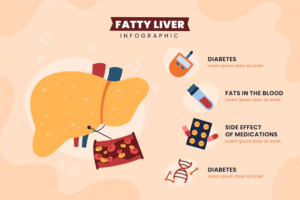
Ayurvedic Approach to Managing Fatty Liver Disease (NAFLD), particularly Non-Alcoholic Fatty Liver Disease (NAFLD), has emerged... Continue reading
Hematuria and Ayurvedic Treatment: A Comprehensive Guide to Understanding and Managing Blood in Urine the presence... Continue reading
Add comment