
No products in the cart.
Return To Shop
Shatavari: A Gentle Herb for Diabetes
Shatavari A Gentle Herb for Diabetes In the realm of herbal medicine, where traditional wisdom meets modern science, Shatavari (Asparagus racemosus) emerges as a gentle yet potent herb with a promising role in managing diabetes. Known for centuries in Ayurveda, the ancient Indian system of medicine, Shatavari offers a multifaceted approach to health, including its potential benefits in regulating blood sugar levels and supporting overall well-being.
Understanding Shatavari
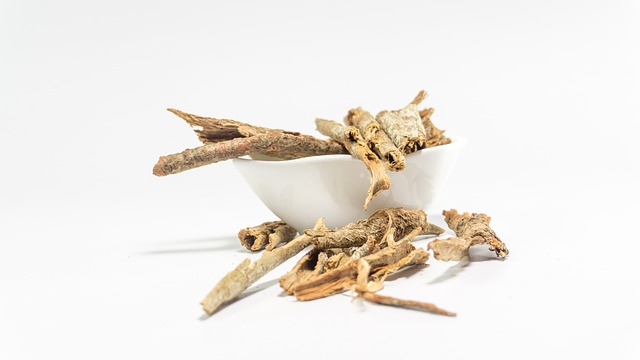
Shatavari, often referred to as the “queen of herbs,” belongs to the Asparagus family and is native to India and the Himalayas. Its name translates to “she who possesses a hundred husbands,” indicating its historical use as a tonic for women’s health. However, its benefits extend far beyond gender-specific concerns, encompassing a wide range of therapeutic properties.
Nutritional Composition
Shatavari is rich in phytochemicals such as saponins, flavonoids, and alkaloids, which contribute to its medicinal properties. It also contains essential nutrients like vitamins A, C, and E, as well as minerals like zinc and calcium. These compounds work synergistically to support various bodily functions, including those crucial in managing diabetes.
Shatavari’s Role in Diabetes Management
Diabetes mellitus, characterized by high blood sugar levels, is a chronic condition that affects millions worldwide. Effective management often requires a combination of lifestyle changes, medication, and sometimes, complementary therapies such as herbal supplements. Shatavari stands out due to its potential effects on several aspects of diabetes management:
1. Blood Sugar Regulation
Research suggests that Shatavari may help regulate blood glucose levels by improving insulin sensitivity and enhancing pancreatic function. Insulin, a hormone produced by the pancreas, is crucial for regulating glucose uptake by cells. By supporting pancreatic health and enhancing insulin sensitivity, Shatavari could contribute to better blood sugar control.
2. Antioxidant Properties
Diabetes is often accompanied by increased oxidative stress, which can contribute to complications such as cardiovascular disease and nerve damage. Shatavari’s antioxidant properties help neutralize free radicals, reducing oxidative stress and potentially protecting against diabetic complications.
3. Anti-inflammatory Effects
Chronic inflammation plays a significant role in the progression of diabetes and its complications. Shatavari exhibits anti-inflammatory properties that may help mitigate inflammation in tissues affected by diabetes, thereby improving overall health outcomes.
4. Support for Diabetic Complications
Beyond blood sugar control, Shatavari may offer support against diabetic complications such as nephropathy (kidney damage), neuropathy (nerve damage), and cardiovascular complications. Its holistic approach to health may help reduce the risk and severity of these conditions, promoting better quality of life for individuals with diabetes.
Scientific Evidence and Studies
While traditional uses provide a foundation for exploring Shatavari’s benefits, modern scientific research is increasingly validating its therapeutic potential. Studies have demonstrated:
- Improved Insulin Sensitivity: Animal studies have shown that Shatavari extracts can enhance insulin sensitivity, potentially reducing the insulin resistance seen in type 2 diabetes.
- Pancreatic Health: Research suggests that Shatavari may protect pancreatic beta cells, which are responsible for insulin production, from oxidative stress and inflammation.
- Antioxidant Activity: In vitro studies have highlighted Shatavari’s potent antioxidant effects, which could help mitigate oxidative damage associated with diabetes.
- Clinical Trials: While more clinical trials are needed to establish definitive therapeutic recommendations, preliminary studies in humans have shown promising results regarding Shatavari’s role in managing blood sugar levels.
How to Incorporate Shatavari into Your Routine
If you’re considering Shatavari as a complementary therapy for diabetes management, it’s essential to approach it with guidance and awareness:
– Consultation: Always consult with a healthcare provider before starting any new supplement regimen, especially if you have diabetes or are taking medications.
– Dosage and Form: Shatavari is available in various forms, including powders, capsules, and teas. Follow recommended dosages and choose reputable sources to ensure quality and efficacy.
– Integration: Integrate Shatavari into a comprehensive diabetes management plan that includes diet, exercise, and prescribed medications. It should complement, not replace, conventional therapies.
– Monitoring: Regularly monitor blood sugar levels and overall health to assess the impact of Shatavari and adjust treatment plans as necessary.
Conclusion
Shatavari presents itself as a gentle yet powerful herb with potential benefits for individuals managing diabetes. Its traditional use in Ayurveda, coupled with emerging scientific research, underscores its relevance in modern healthcare. By supporting blood sugar regulation, combating oxidative stress, and addressing inflammatory pathways, Shatavari offers a holistic approach to diabetes management.
While promising, more extensive clinical research is needed to fully elucidate Shatavari’s mechanisms and establish clear guidelines for its use in diabetes care. However, its long history of safe use and multifaceted health benefits make Shatavari a compelling option for those exploring complementary therapies alongside conventional diabetes management strategies.
Incorporating Shatavari into your health regimen requires careful consideration and consultation with healthcare professionals. With responsible use and informed decision-making, Shatavari can potentially contribute to better outcomes and improved quality of life for individuals navigating the complexities of diabetes.


About author

Related posts

Atrial Fibrillation and Ayurveda: A Natural Path to Heart Health is a common heart condition that... Continue reading

Ayurvedic Treatment for Candida Infection: A Comprehensive Guide are a common and often troublesome health issue,... Continue reading

Ayurvedic Approach to Encephalitis: A Holistic Healing Path is a serious medical condition characterized by inflammation... Continue reading
Ayurvedic Approach to Managing Fatty Liver Disease (NAFLD), particularly Non-Alcoholic Fatty Liver Disease (NAFLD), has emerged... Continue reading

Hematuria and Ayurvedic Treatment: A Comprehensive Guide to Understanding and Managing Blood in Urine the presence... Continue reading
Add comment