
No products in the cart.
Return To Shop
Unlocking the Potential of Ashwagandha in Diabetes Management
Unlocking the Potential of Ashwagandha in Diabetes Management Ashwagandha, a powerful herb deeply rooted in traditional Ayurvedic medicine, has gained significant attention in recent years for its potential benefits in managing diabetes. As more people seek natural alternatives to complement conventional treatments, Ashwagandha has emerged as a promising candidate due to its antioxidant, anti-inflammatory, and adaptogenic properties. I
Understanding Diabetes
Diabetes mellitus, commonly referred to as diabetes, is a chronic metabolic disorder characterized by elevated blood glucose levels (hyperglycemia) due to either insufficient insulin production, ineffective insulin utilization, or both. There are primarily two types of diabetes:
- Type 1 Diabetes: Often diagnosed in childhood or adolescence, this results from the body’s inability to produce insulin.
- Type 2 Diabetes: Typically diagnosed in adulthood, this arises from insulin resistance and inadequate insulin secretion.
Both types of diabetes can lead to serious complications affecting multiple organ systems, including the heart, kidneys, nerves, and eyes, if not properly managed.
Role of Ashwagandha in Diabetes Management
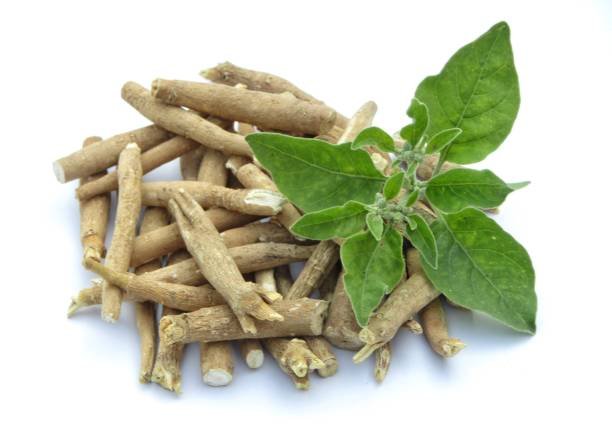
1. Blood Glucose Regulation
Ashwagandha (Withania somnifera), also known as Indian ginseng or winter cherry, is rich in compounds such as withanolides, alkaloids, and flavonoids. Research suggests that these bioactive compounds may help regulate blood glucose levels by improving insulin sensitivity and glucose metabolism. Studies have demonstrated that Ashwagandha supplementation can lead to lower fasting blood glucose levels and improved glucose tolerance in both diabetic and non-diabetic individuals.
2. Improving Insulin Sensitivity
Insulin resistance is a key feature of type 2 diabetes, where the body’s cells become less responsive to insulin. Ashwagandha has been shown to enhance insulin sensitivity by promoting glucose uptake in muscle cells and improving pancreatic beta-cell function, which is responsible for insulin production. This dual action helps in better glucose control and may reduce the reliance on exogenous insulin in type 2 diabetes patients.
3. Antioxidant and Anti-inflammatory Effects
Chronic inflammation and oxidative stress play significant roles in the development and progression of diabetes and its complications. Ashwagandha possesses potent antioxidant properties that scavenge free radicals and reduce oxidative stress in cells. Moreover, it exerts anti-inflammatory effects by inhibiting pro-inflammatory cytokines, thus mitigating inflammation associated with diabetes-induced tissue damage.
4. Stress Reduction and Cortisol Regulation
Stress is known to exacerbate diabetes by raising blood glucose levels through the release of cortisol and other stress hormones. Ashwagandha is classified as an adaptogen, meaning it helps the body adapt to stress and normalize physiological processes. By modulating cortisol levels and reducing stress-induced hyperglycemia, Ashwagandha may contribute to better glycemic control in diabetes patients.
Scientific Evidence and Clinical Studies
Unlocking the Potential of Ashwagandha in Diabetes Management Numerous studies have investigated the effects of Ashwagandha on diabetes management:
- A study published in the Journal of Ethnopharmacology demonstrated that Ashwagandha root extract improved insulin sensitivity and glucose uptake in skeletal muscle cells of diabetic mice.
- Research published in Phytotherapy Research found that Ashwagandha supplementation significantly reduced fasting blood glucose levels and increased insulin secretion in patients with type 2 diabetes.
- Another study in the Indian Journal of Experimental Biology reported that Ashwagandha supplementation lowered glycosylated hemoglobin (HbA1c) levels, a marker of long-term blood glucose control, in individuals with type 2 diabetes.
These findings underscore Ashwagandha’s potential as an adjunct therapy for diabetes management, alongside conventional treatments like diet, exercise, and medication.
Incorporating Ashwagandha into Your Diabetes Management Plan
If you are considering incorporating Ashwagandha into your diabetes management plan, it is essential to do so under the guidance of a healthcare provider. While generally considered safe for most people when taken in appropriate doses, Ashwagandha may interact with certain medications or exacerbate underlying health conditions in some individuals.
Tips for Safe Use:
- Consultation: Discuss with your healthcare provider before starting Ashwagandha supplementation to ensure it complements your current treatment plan.
- Dosage: Follow recommended dosage guidelines to avoid potential side effects and achieve optimal benefits.
- Quality: Choose a reputable brand that provides high-quality Ashwagandha extract standardized for bioactive compounds.
Forms of Ashwagandha:
Ashwagandha is available in various forms, including capsules, powders, and liquid extracts. Each form may have different bioavailability and absorption rates, so consider your preference and convenience when selecting a product.
Conclusion
As with any supplement, it is crucial to approach Ashwagandha with informed caution and in consultation with healthcare professionals. By integrating Ashwagandha into a holistic diabetes management plan that includes diet, exercise, and medication as prescribed, individuals may potentially enhance their overall well-being and glycemic control.
Embracing the wisdom of traditional medicine alongside modern scientific inquiry, Ashwagandha stands as a beacon of hope for those seeking natural alternatives in their journey to manage diabetes effectively.


About author

Related posts

Atrial Fibrillation and Ayurveda: A Natural Path to Heart Health is a common heart condition that... Continue reading

Ayurvedic Treatment for Candida Infection: A Comprehensive Guide are a common and often troublesome health issue,... Continue reading

Ayurvedic Approach to Encephalitis: A Holistic Healing Path is a serious medical condition characterized by inflammation... Continue reading

Ayurvedic Approach to Managing Fatty Liver Disease (NAFLD), particularly Non-Alcoholic Fatty Liver Disease (NAFLD), has emerged... Continue reading

Hematuria and Ayurvedic Treatment: A Comprehensive Guide to Understanding and Managing Blood in Urine the presence... Continue reading
Add comment