
No products in the cart.
Return To Shop
Integrating Ayurveda into modern life:
Welcome to khet se ghar, especially when transitioning from the fields to home, involves a thoughtful approach to maintaining balance and harmony. Ayurveda, an ancient Indian system of medicine, emphasizes a holistic approach to health that encompasses diet, lifestyle, and mental well-being. When transitioning from the agricultural environment to urban or suburban settings, adapting Ayurvedic principles can help maintain health and wellness. Here’s how Ayurveda can be integrated into modern life, from the fields to home:
Understanding Ayurveda
Ayurveda is based on the belief that health and wellness depend on a delicate balance between the mind, body, and spirit. It uses natural remedies and practices to achieve this balance, considering individual constitution (dosha) and external factors such as environment and lifestyle.
Diet and Nutrition
1. Fresh and Seasonal Foods: In rural areas, fresh produce is abundant. When transitioning, prioritize seasonal fruits and vegetables from local markets. Ayurveda emphasizes eating according to the seasons to maintain balance.
2. Balanced Meals: Incorporate all six tastes (sweet, sour, salty, pungent, bitter, and astringent) into meals to ensure nutritional balance and satisfy the senses.
3. Mindful Eating: Take time to eat meals mindfully, without distractions. This aids digestion and allows you to appreciate the flavors and textures of your food.
Lifestyle Practices
1. Daily Routine (Dinacharya): Establish a daily routine that includes waking up early, practicing hygiene, and setting aside time for exercise, meditation, or yoga. This routine helps align your body’s natural rhythms with daily activities.
2. Exercise: Engage in regular physical activity that suits your body type and constitution. This could include walking, yoga, or other forms of exercise that promote flexibility and strength.
3. Stress Management: Ayurveda emphasizes the importance of managing stress through relaxation techniques, such as deep breathing, meditation, or spending time in nature.
Home Environment
1. Natural Cleaning: Use natural cleaning products and methods to maintain a clean and healthy home environment. Avoid harsh chemicals that can disrupt the body’s natural balance.
2. Indoor Plants: Incorporate indoor plants that improve air quality and create a calming atmosphere. Ayurveda recognizes the healing properties of plants and their ability to enhance well-being.
Herbal Remedies
1. Ayurvedic Herbs: Incorporate Ayurvedic herbs and spices into your daily routine for their medicinal properties. Examples include turmeric, ginger, and holy basil, which can be used in cooking or as herbal supplements.
2. Home Remedies: Learn simple home remedies for common ailments, such as herbal teas for digestion or natural oils for skin care. Ayurveda encourages self-care and empowerment through natural remedies.
Mind-Body Connection

1. Meditation and Yoga: Practice meditation and yoga to enhance the mind-body connection and promote overall well-being. These practices help reduce stress, improve flexibility, and cultivate inner peace.
2. Emotional Health: Pay attention to emotional health and cultivate positive relationships. Ayurveda recognizes the impact of emotions on physical health and emphasizes nurturing supportive connections.Ayurveda into modern life involves embracing its principles of balance, natural living, and holistic health. Whether transitioning from the fields to a more urban environment or simply seeking to enhance well-being, Ayurveda offers timeless wisdom and practices that can enrich daily life.


About author

Related posts

Atrial Fibrillation and Ayurveda: A Natural Path to Heart Health is a common heart condition that... Continue reading
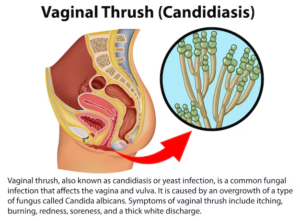
Ayurvedic Treatment for Candida Infection: A Comprehensive Guide are a common and often troublesome health issue,... Continue reading
Ayurvedic Approach to Encephalitis: A Holistic Healing Path is a serious medical condition characterized by inflammation... Continue reading
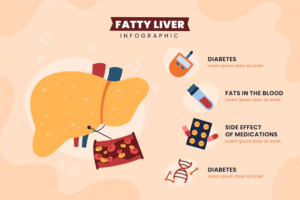
Ayurvedic Approach to Managing Fatty Liver Disease (NAFLD), particularly Non-Alcoholic Fatty Liver Disease (NAFLD), has emerged... Continue reading
Hematuria and Ayurvedic Treatment: A Comprehensive Guide to Understanding and Managing Blood in Urine the presence... Continue reading
Add comment