
No products in the cart.
Return To Shop
Ayurvedic Remedies for Acidity
Ayurvedic Remedies for Acidity
The ancient Indian system of medicine, perceives acidity as a manifestation of aggravated Pitta dosha, particularly affecting the stomach and gastrointestinal tract. According to Ayurvedic principles, Pitta dosha governs digestion and metabolism. When Pitta dosha becomes imbalanced due to factors such as improper diet, excessive stress, or irregular eating habits, it can lead to hyperacidity or acid reflux.
The primary goal of Ayurvedic treatment for acidity is to pacify aggravated Pitta dosha and restore balance to the digestive system. This approach not only alleviates symptoms but also addresses the root cause of the condition, promoting long-term digestive health and overall well-being.
1. Herbal Remedies
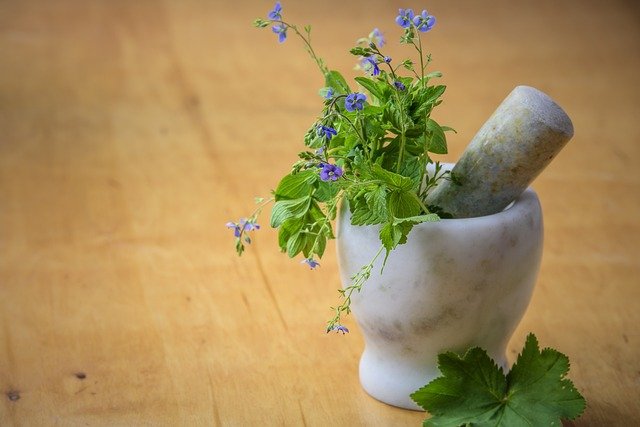
Ayurvedic herbs are a cornerstone of treatment for acidity due to their natural healing properties and ability to restore balance to the body. Here are some commonly used herbs for managing acidity:
- Amla (Indian Gooseberry): Amla is revered in Ayurveda for its cooling properties and high vitamin C content. It helps reduce inflammation in the stomach lining and supports the digestive system.
- Yashtimadhu (Licorice): Licorice root is known for its soothing effect on the stomach lining. It helps reduce acidity and promotes mucous production, which protects the stomach from excess acid.
- Mint (Pudina): Mint leaves have cooling properties that can provide immediate relief from acidity symptoms like heartburn. It also aids digestion and reduces inflammation in the stomach.
- Coriander (Dhaniya): Coriander seeds are used in Ayurveda to alleviate acidity by neutralizing stomach acid and supporting digestion. They can be consumed as a tea or added to meals for their therapeutic benefits.
- Shatavari: Known for its calming effect on Pitta dosha, Shatavari root helps soothe the stomach and reduce acidity. It supports overall digestive health and can be consumed in powdered form or as a supplement.
2. Dietary Adjustments
Ayurvedic dietary guidelines for acidity focus on balancing Pitta dosha and promoting healthy digestion. Here are some dietary recommendations to manage acidity:
- Avoid Spicy and Fried Foods: These foods can aggravate Pitta dosha and increase acid production in the stomach. Opt for mild, cooling foods instead.
- Include Cooling Foods: Foods like cucumber, coconut water, and milk have cooling properties that help pacify Pitta dosha and reduce acidity. Incorporate these foods into your daily diet.
- Eat Regularly and Mindfully: Irregular eating habits can disturb digestive fire (agni) and contribute to acidity. Eat meals at regular intervals and chew food thoroughly to aid digestion.
- Limit Citrus and Acidic Foods: Citrus fruits, tomatoes, and vinegar can exacerbate acidity symptoms. Limit intake or consume in moderation.
3. Lifestyle Modifications
In addition to herbal remedies and dietary adjustments, Ayurveda emphasizes lifestyle modifications to manage acidity effectively:
- Practice Stress Management: Stress can aggravate Pitta dosha and worsen acidity symptoms. Practice relaxation techniques such as yoga, meditation, or deep breathing exercises to reduce stress levels.
- Maintain a Healthy Weight: Excess weight can put pressure on the stomach and exacerbate acidity. Maintain a healthy weight through regular exercise and a balanced diet.
- Avoid Overeating and Late-night Meals: Eating large meals or eating close to bedtime can overload the digestive system and increase acid reflux. Eat smaller, lighter meals and avoid eating at least two hours before bedtime.
- Stay Hydrated: Drinking plenty of water throughout the day helps maintain proper hydration and supports digestion. Avoid drinking large amounts of water during meals, as it can dilute stomach acid and impair digestion.
4. Ayurvedic Therapies
Ayurvedic therapies such as Panchakarma (detoxification treatments) and specific herbal formulations (such as Avipattikar churna) are recommended for chronic or severe cases of acidity. These therapies aim to detoxify the body, balance doshas, and rejuvenate the digestive system.
- Panchakarma: Panchakarma therapies like Virechana (therapeutic purgation) and Basti (medicated enema) are beneficial for removing toxins from the body and restoring balance to the digestive system. These therapies should be performed under the guidance of a qualified Ayurvedic practitioner.
- Avipattikar Churna: This traditional Ayurvedic formulation contains herbs like Trikatu (a combination of ginger, black pepper, and long pepper) along with other digestive herbs. It helps reduce acidity, improve digestion, and alleviate symptoms like heartburn and indigestion.
Integrating Ayurvedic Remedies into Daily Life
Managing acidity through Ayurveda involves a holistic approach that combines herbal remedies, dietary adjustments, lifestyle modifications, and, when necessary, Ayurvedic therapies. It’s important to consult with a qualified Ayurvedic practitioner to receive personalized recommendations based on your individual constitution (prakriti) and specific health condition.


About author

Related posts

Atrial Fibrillation and Ayurveda: A Natural Path to Heart Health is a common heart condition that... Continue reading
Ayurvedic Treatment for Candida Infection: A Comprehensive Guide are a common and often troublesome health issue,... Continue reading

Ayurvedic Approach to Encephalitis: A Holistic Healing Path is a serious medical condition characterized by inflammation... Continue reading

Ayurvedic Approach to Managing Fatty Liver Disease (NAFLD), particularly Non-Alcoholic Fatty Liver Disease (NAFLD), has emerged... Continue reading
Hematuria and Ayurvedic Treatment: A Comprehensive Guide to Understanding and Managing Blood in Urine the presence... Continue reading
Add comment